Coffee and liver health benefits are getting stronger support from new clinical research. A massive study published on July 2, 2026, in the journal Clinical Gastroenterology and Hepatology has provided some of the strongest evidence yet regarding coffee and liver health benefits. This research, led by Dr. Hyun-Seok Kim at Cedars-Sinai, utilized the UK Biobank to follow nearly 355,000 adults for a median of 13 years. The findings are not just statistically significant but practically life-changing for anyone interested in long-term metabolic health. You can review the full study details published in Clinical Gastroenterology and Hepatology via ScienceDaily.
I have spent years looking at how dietary choices impact internal organs. The liver is the silent workhorse of the body. It processes every nutrient you absorb, filters toxins, and manages energy storage. When the liver fails or becomes inflamed, the entire system suffers. This new data shows that your daily cup of coffee is doing much more than just waking up your brain. It is actively shielding your liver from some of the most aggressive diseases known to medicine.
Coffee and Liver Health Benefits in the UK Biobank Study
The scale of this research is difficult to overstate. By tracking 354,957 individuals who were free of cirrhosis or liver cancer at the start, researchers could observe exactly how coffee consumption influenced health outcomes over more than a decade. I always prioritize clinical data of this magnitude because it filters out the noise found in smaller trials.
The results for those who drank five or more cups of coffee per day were staggering. Consider these reductions in risk compared to non-coffee drinkers.
- Participants experienced a 32 percent lower risk of developing cirrhosis.
- The data showed a 47 percent lower risk of developing hepatocellular carcinoma which is the primary form of liver cancer.
- Coffee drinkers had a 42 percent lower risk of dying from any liver-related cause.
Related reading: The Bioavailability Blueprint
Looking Inside with MRI and Proteomics

Dr. Kim and his team did not just look at survival rates. They used advanced imaging and blood analysis to understand why these coffee and liver health benefits occur. They analyzed MRI scans of the participants to look at the physical state of the liver tissue.
- High coffee consumption correlated with significantly lower levels of liver fat.
- The scans revealed lower levels of liver iron which can be a marker of oxidative stress.
- The imaging showed reduced fibroinflammation which is the precursor to permanent scarring or fibrosis.
The study also looked at the blood proteomics of these individuals. Proteomics is the study of proteins expressed by a cell or organ. The researchers found that coffee drinkers had higher levels of specific proteins tied to healthy liver function. Conversely, they had much lower levels of proteins that act as markers for inflammation and the development of fibrosis. This suggests that coffee actually changes the chemical environment of the liver to favor repair over damage.
The Decaf Debate is Settled
Many people ask me if they have to deal with the jitters of caffeine to get these benefits. This study provides a very clear answer. The protective effects for the liver were consistent across both caffeinated and decaffeinated coffee. This is a critical finding because it shifts the focus away from caffeine and toward the other 1,000-plus compounds found in a coffee bean.
Non-caffeine compounds deserve the credit for these results. Chlorogenic acids are powerful antioxidants that reduce systemic inflammation. Polyphenols help regulate the gut-liver axis. Diterpenes like cafestol and kahweol have shown the ability to modulate detoxifying enzymes in the liver. Whether you drink a standard roast or a decaf blend, you are still delivering these essential phytonutrients to your system.
Why We Built UpCup Around This Evidence

When we founded UpCup Koffee, we made a collective decision to respect the natural chemistry of the coffee bean. We know that coffee is already doing great things for the liver. Our goal was to layer additional evidence-backed ingredients that complement these natural benefits without using chemical processing or harsh extractions that could strip away the chlorogenic acids identified in the UK Biobank study.
I want to highlight how we chose ingredients to support the metabolic pathways your liver already manages. The liver is the central hub for NAD+ metabolism in the body. By including NAD+ precursors in our blend, we support the cellular repair mechanisms that the liver relies on to stay healthy.
We also included Shilajit resin because it acts as a mineral powerhouse. Shilajit supports mineral transport and possesses known anti-inflammatory properties that align with the goal of reducing liver fibroinflammation. Finally, we added Lion’s Mane to support the liver-brain axis. Your liver health directly impacts your cognitive clarity, and keeping both systems optimized is the key to longevity.
Related reading: Behind the Blend
Connecting the Liver and Brain

The liver-brain axis is a bidirectional communication highway. When the liver is struggling with fat accumulation or inflammation, it releases pro-inflammatory cytokines that can cross the blood-brain barrier. This often results in what patients describe as brain fog or cognitive fatigue.
By utilizing the coffee and liver health benefits revealed in this 355,000-person study, you are essentially protecting your brain as well. Improving the protein profile of your blood through regular coffee consumption helps ensure that your brain is receiving clean, well-processed fuel. Adding Lion’s Mane into that routine provides the neuroprotective support needed to maximize the clarity that comes with a healthy liver. These coffee and liver health benefits extend beyond one lab value and support a broader picture of metabolic resilience.
Maximize Your Liver Protection Today
Do not wait for a diagnosis to start caring for your liver. The data shows that the benefits are dose-dependent, meaning regular consumption over years provides the best protection. Follow these steps to optimize your routine.
- Aim for three to five cups of coffee daily to reach the levels of protection seen in the study.
- Choose coffee that has not been chemically processed to ensure the preservation of polyphenols and chlorogenic acids.
- Limit the use of added sugars and artificial sweeteners which the study linked to higher iron-corrected T1 markers on MRI.
- Incorporate functional additives like Shilajit and NAD+ to support the liver’s role in cellular energy and detoxification.
- Monitor your overall metabolic health by staying active and maintaining a balanced weight.
The UpCup Advantage for Liver Support
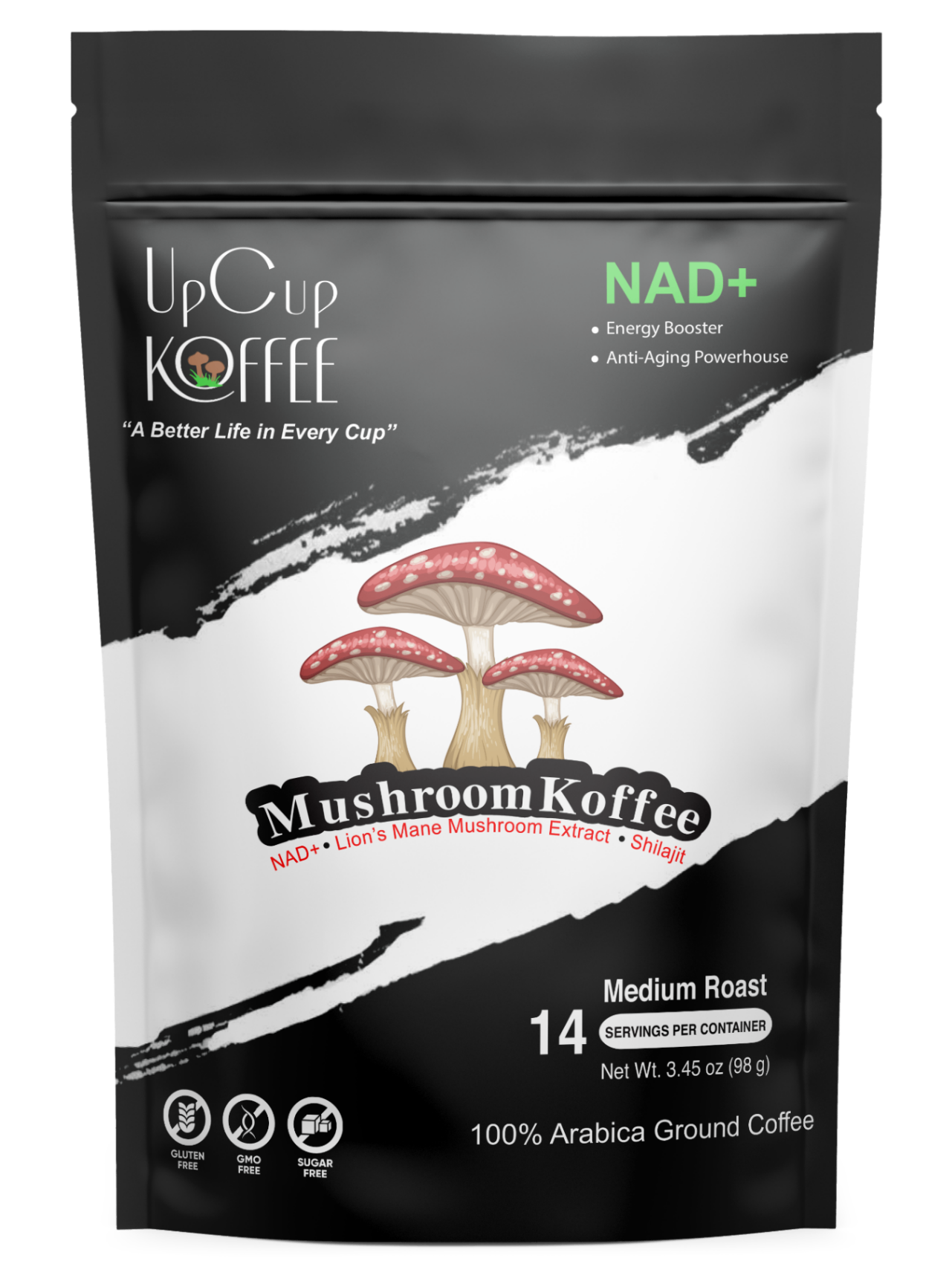
We designed UpCup to be the ultimate version of your morning ritual. We believe that if you are going to drink five cups of coffee a day, that coffee should be as functional and clean as possible. By combining premium 100% Arabica beans with Lion’s Mane, Shilajit, and NAD+, we have created a blend that works in harmony with the findings of Dr. Kim’s research.
Our collective founder decision to avoid chemical extractions means you get the full spectrum of diterpenes and antioxidants. You are not just drinking a beverage. You are engaging in a daily medical-grade intervention for your liver and brain.
Related reading: What is Shilajit Anyway?
How many cups of coffee are safe for liver health?
The UK Biobank study showed the most significant benefits at five or more cups per day. Most healthy adults can safely consume this amount, but you should always listen to your body and monitor for caffeine sensitivity. Decaffeinated coffee is an excellent alternative if you want the liver benefits without the stimulant effects.
Does adding cream or sugar ruin the liver benefits?
The study found that coffee’s protective associations held true even for those who used sweeteners. However, the MRI data showed that people who added sugar or artificial sweeteners had slightly higher markers of liver inflammation. For the best results, I recommend drinking your coffee black or with a small amount of unsweetened natural fats.
Is instant coffee as good as brewed coffee for the liver?
The researchers observed benefits across all types of coffee including instant, ground, and decaf. While ground coffee typically has higher concentrations of certain bioactive compounds, the most important factor is consistency of consumption. Drink the type of coffee that you enjoy enough to make a permanent part of your daily routine.
Why is the liver so important for brain health?
The liver filters the blood before it reaches the rest of your body, including your brain. If the liver is not functioning correctly, metabolic waste and inflammatory markers can accumulate in the bloodstream and affect cognitive function. This connection is why supporting the liver through nutrition is a fundamental part of maintaining mental clarity.
William McArthur, MD ( Evidence-Based Health Insights)