Most of us know the feeling. It’s 2:15 PM, you’re halfway through a deep-work session or a stack of patient charts, and suddenly, the lights start to dim: not in the room, but in your mind. That sharp, morning clarity has been replaced by a sluggish, foggy weight. You reached for that second or third cup of coffee an hour ago, but instead of the “lift” you expected, you’ve just inherited a case of the jitters and a looming sense of exhaustion.
This is the classic caffeine crash. As a physician and a founder of UpCup Koffee, I’ve spent a lot of time looking at why this happens and, more importantly, how we can fix it. For high-performers, entrepreneurs, and anyone trying to stay sharp in a demanding world, relying on standard caffeine is like trying to run a high-performance engine on cheap, unstable fuel.
To understand the solution, we first have to understand the “debt” we create every time we take a sip of traditional coffee.
The Adenosine Debt: Why Traditional Coffee Fails You
Caffeine is a master of deception. It doesn’t actually “create” energy in your body; it simply borrows it from your future self.
Throughout the day, your brain produces a molecule called adenosine. Think of adenosine as your body’s internal “sleep pressure” gauge. The longer you are awake, the more adenosine builds up, eventually binding to receptors in your brain that tell you it’s time to rest. Caffeine works by sliding into those receptors first, effectively “plugging” the hole so the adenosine can’t get in.
You feel alert because your brain can’t hear the signal to be tired. However, that adenosine doesn’t go away: it keeps building up outside the receptor like water behind a dam. When the caffeine finally metabolizes and clears out, that flood of adenosine hits your brain all at once. That is the crash. It’s a metabolic debt coming due, and it usually brings a headache and a mood drop along with it.
For a high-performer, this cycle is devastating. It creates a “sawtooth” energy profile: peaks of anxiety-ridden focus followed by valleys of unproductive brain fog. To break this cycle, we have to move beyond simple stimulation and toward functional fuel.
The Brain’s Energy Budget
Your brain is a metabolic glutton. While it only accounts for about 2% of your total body weight, it consumes roughly 20% to 25% of your daily energy. It demands a constant, tightly controlled supply of glucose and oxygen to maintain executive function, neurotransmitter production, and cellular repair.
When we talk about “brain fog,” we are often talking about a localized energy crisis. If your mitochondria: the power plants within your cells: aren’t firing efficiently, your cognitive processing speed drops. This is where the science of functional additives, like those we chose for UpCup, becomes a game-changer. We didn’t just want a drink that woke you up; we wanted a drink that supported the cellular machinery of the brain itself.
Lion’s Mane: The “Grow” Molecule
If caffeine is the “go” molecule, Lion’s Mane (Hericium erinaceus) is the “grow” molecule. This functional mushroom has been used for centuries, and we now have human clinical research—including a double-blind, placebo-controlled trial—showing measurable cognitive improvement.
Lion’s Mane contains two specific compounds: hericenones and erinacines: that can cross the blood-brain barrier. Once they arrive, they stimulate the production of Nerve Growth Factor (NGF). NGF is crucial for the maintenance, survival, and regeneration of neurons. In simpler terms, while caffeine is masking your tiredness, Lion’s Mane is working to support the very structure of your neural pathways.
For the entrepreneur or the student, this means more than just staying awake. It means fostering “neuroplasticity”: the brain’s ability to form new connections and retain information. This is why we focus so heavily on the bioavailability of our extracts. If the mushroom compounds don’t reach the brain, they can’t do the work.
NAD+: The Cellular Spark Plug

While Lion’s Mane supports the “wiring,” NAD+ (Nicotinamide Adenine Dinucleotide) supports the “electricity.” NAD+ is a coenzyme found in every single cell of your body, and it is essential for the production of ATP: the fundamental unit of cellular energy.
As we age, or when we are under significant stress, our NAD+ levels naturally decline. When NAD+ is low, your mitochondria struggle to turn the food you eat into the energy your brain needs. This leads to that feeling of being “tired but wired”: your nervous system is overstimulated by caffeine, but your cells are actually starving for energy.
By including NAD+ precursors (specifically NMN/NR) in a daily ritual like coffee, we are essentially “topping off” the cellular tank. In human double-blind randomized research, these precursors have been shown to increase NAD+ levels—with signals of improved physical function and sleep—supporting the idea of smoother, more sustained energy that doesn’t rely on adrenaline spikes associated with high-dose caffeine. It’s about metabolic efficiency, not just nervous system stimulation.
Why “Functional” Coffee is the Ultimate Biohack
When we sat down to create UpCup Koffee, the goal was to eliminate the compromises of the modern morning. Most people use coffee as a crutch to get through a deficit. We wanted to turn it into a tool for an advantage.
The combination of NAD+ (via NMN/NR precursors), Lion’s Mane, and Shilajit (a mineral-rich resin that enhances nutrient absorption) creates a synergistic effect backed by human clinical research.
- The Caffeine provides the immediate alertness you need to start the day.
- The Lion’s Mane provides the neuro-protective support to keep your focus sharp and clear, rather than jagged.
- The NAD+ ensures your mitochondria have the resources to sustain that energy without the subsequent crash.
It’s a shift from “borrowing” energy to “investing” in it.
A Physician’s Perspective on Morning Rituals
In my practice, I often see patients struggling with burnout and metabolic fatigue. They often ask what supplement they should take to “feel better.” My answer usually starts with looking at their daily inputs.
If you are starting your day with a massive spike in cortisol and blood sugar: often driven by highly caffeinated, sugary commercial coffees: you are setting yourself up for a metabolic roller coaster. Stable energy requires stable inputs. This is why I advocate for a “clean” morning ritual.

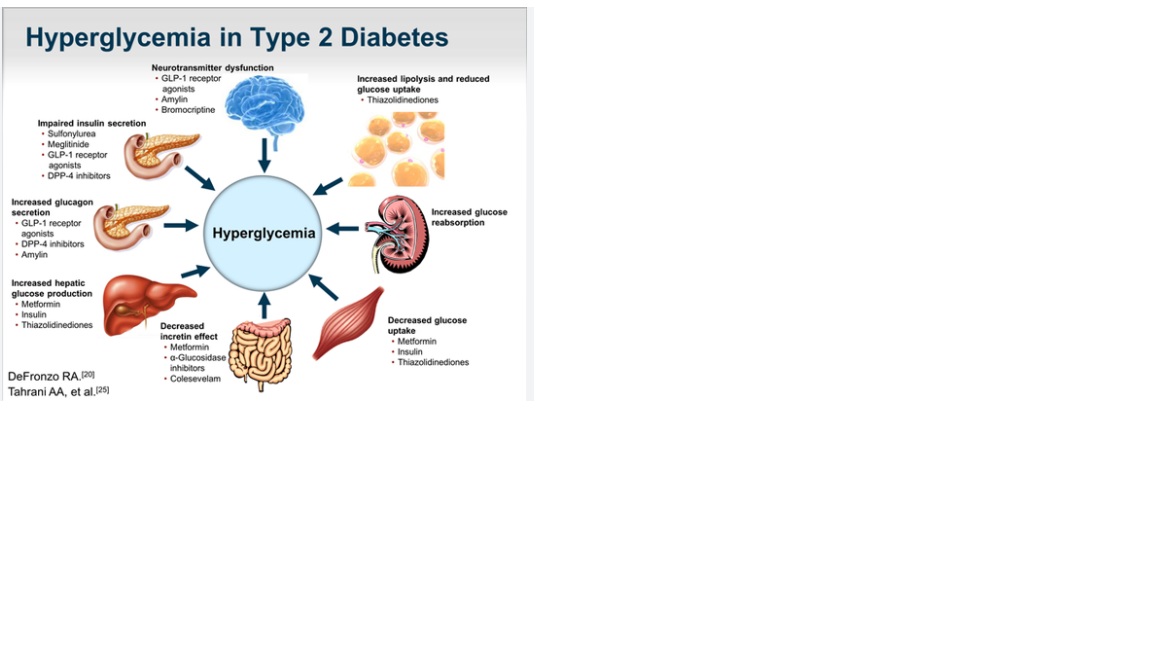
A functional coffee like UpCup is sugar-free and focuses on ingredients that support metabolic health. When you pair this with a diet that avoids the “diabetes secret” of hidden sugars, you begin to reclaim your cognitive baseline. You stop fighting your own biology and start working with it.
Practical Steps for Sustained Focus
If you’re looking to move beyond the crash and optimize your brain fuel, here are three things you can start doing tomorrow:
- Delay Your First Cup: Try waiting 60 to 90 minutes after waking before having your first cup of coffee. This allows your natural cortisol levels to peak and your adenosine levels to clear out naturally, making the caffeine more effective and the crash less severe.
- Hydrate Before You Stimulate: Drink 16 ounces of water before your coffee. Dehydration is often mistaken for brain fog, and caffeine is a mild diuretic.
- Choose Functional Additives: If you’re going to drink coffee anyway, make it work for you. Using a blend that includes Shilajit (clinically evaluated in healthy volunteers with significant increases in testosterone and antioxidant levels) and Lion’s Mane (studied in a double-blind, placebo-controlled human trial showing cognitive improvement) ensures that you are providing your brain with the minerals and “growth factors” it needs to perform at a high level.
The Future of Nutrition is Functional
The era of just “eating for calories” or “drinking for caffeine” is ending. As we learn more about cellular biology and the intricate ways our nutrition affects our cognitive output, the demand for functional fuel will only grow.
High performance isn’t about working harder; it’s about fueling smarter. Whether you are navigating the complexities of a medical diagnosis, running a business, or simply trying to be present for your family, your brain deserves better than a temporary caffeine high followed by a mid-afternoon low.
It’s time to stop the crash and start the fuel. Your mitochondria will thank you.
For more insights into metabolic health and proactive wellness, visit our blog or learn more about Dr. McArthur and our mission to bridge the gap between primary care and functional nutrition.